Why Sovereign AI Matters Now
AI is moving into mission-critical and data-intensive workloads—manufacturing floors, clinical trials, government systems. These environments demand that data stays within defined operational, regulatory, and security boundaries. Digital sovereignty is no longer just about where data is stored; it now covers where workloads run, who can access them, and how systems remain secure as requirements evolve.
The next phase of sovereignty will be built across the technology ecosystem, through closer alignment among silicon, infrastructure, cloud, security, data, and AI. Microsoft and Intel are collaborating to create a more consistent foundation that gives organizations greater choice over where workloads run and how they are controlled.
Evidence: This analysis is based on the original Microsoft Azure blog post. Read the source.
Sovereignty Must Work Across the Stack
Sovereignty requirements vary by workload. The right level of control depends on data sensitivity, regulation, latency, connectivity, operational access, and resilience. Organizations need a continuum of controls across public cloud, customer-controlled environments, and trusted partner solutions.
Delivering that flexibility requires the underlying technology layers to work together. The controls that shape where a workload runs, how data is protected, who can access it, and how the environment is verified extend across silicon, infrastructure, cloud, security, data, and AI.
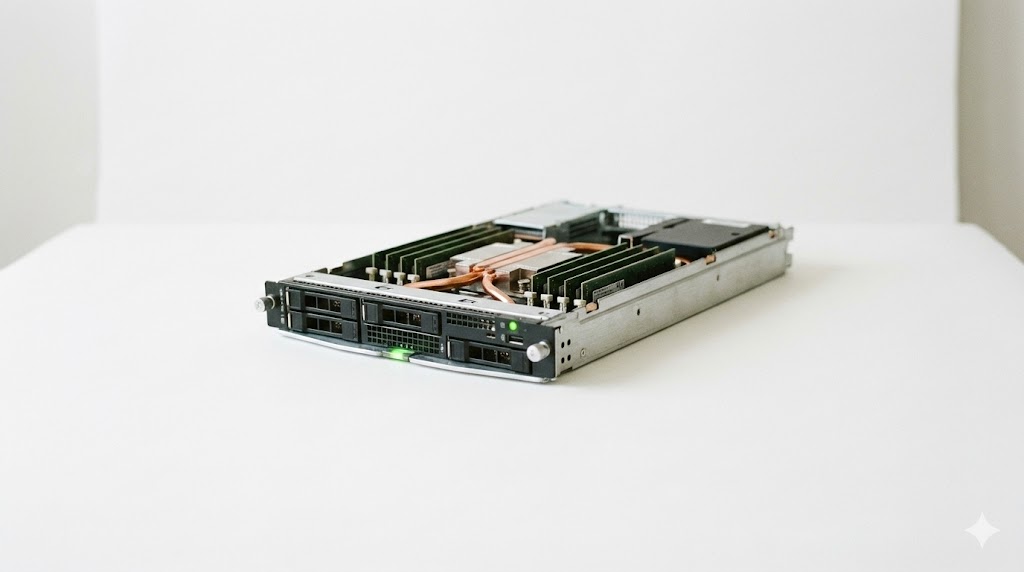
This is where the Microsoft and Intel partnership comes into focus. Azure Local, running on Intel® Xeon® 6 processors, brings distributed Azure infrastructure together with a common compute foundation for customer-controlled environments. Organizations can extend cloud and AI capabilities closer to their data and operations while maintaining consistent approaches to security, management, and governance.
For sensitive workloads, trust must be supported by technical protections and verifiable evidence. Intel® Trust Domain Extensions (Intel TDX) on supported Azure Confidential VM configurations provide hardware-based isolation for workloads while in use. Hardware-backed attestation gives organizations evidence to verify security properties against their requirements.
# Example: Verifying a confidential VM's attestation report (conceptual)
# This is pseudocode illustrating the flow, not a real API call.

def verify_attestation(attestation_report, expected_measurements):
    """
    Verify that the hardware attestation report matches expected security properties.
    In practice, use Azure Attestation or Intel's attestation libraries.
    """
    if attestation_report.measurement not in expected_measurements:
        raise SecurityError("Attestation measurement mismatch")
    if not attestation_report.signature_valid:
        raise SecurityError("Invalid attestation signature")
    return True

# Usage: before deploying sensitive AI model, verify the environment
verify_attestation(report, expected_measurements=["known-good-hash"])
Each workload should receive protections proportionate to its risk. Isolation, encryption, attestation, and operational controls can be applied where they provide meaningful value while preserving a manageable operating model.

Sovereign AI Brings Intelligence Closer to Data
Much of the data with the greatest potential for AI must remain within defined boundaries—industrial operations, government services, clinical environments, intellectual property. Workload placement has become a practical AI decision. Organizations need the flexibility to run AI closer to their data, applications, and operations.
Microsoft Foundry helps organizations build and deploy AI applications and models with options for where AI runs. Foundry Local enables AI inference in customer environments, closer to the data. On the same infrastructure, Intel Xeon 6 processors with Intel® Advanced Matrix Extensions (Intel AMX) accelerate AI workloads directly on the CPU. Intel® OpenVINO™ helps developers optimize and deploy models across supported infrastructure.
This approach extends to collaboration and development: Microsoft 365 Local and GitHub Enterprise Local extend customer-controlled options to productivity and source code workflows.
Key Considerations and Limitations
- Hardware dependency: Features like Intel TDX and AMX require specific CPU generations and may not be available on all cloud instances or on-premises hardware.
- Complexity: Implementing attestation and confidential computing adds operational overhead; teams need expertise in security and infrastructure.
- Ecosystem lock-in: While the stack is designed for choice, deep integration with Microsoft and Intel technologies may create switching costs.
- Regulatory evolution: Sovereignty requirements change; architectures must be adaptable without rebuilding the entire management model.
Next Steps for Learners
- Explore Azure Confidential Computing documentation to understand attestation and trusted execution environments.
- Experiment with Intel OpenVINO for optimizing AI models on Intel hardware.
- Review the Digital Sovereignty in the AI Era white paper for a deeper policy and architecture perspective.
For a related deep dive into building scalable search systems, see our hybrid search architecture guide.

Building for Adaptability and Trust
A sovereign architecture must provide control without rigidity. Organizations should be able to adapt where workloads run, how they are secured, and how they connect without rebuilding their management and security model each time requirements change. Alignment across silicon, infrastructure, cloud, security, and AI software gives organizations a more stable foundation even as individual technologies evolve.
Three questions leaders should ask:
- What must remain under your control? Consider data, infrastructure, administrative access, software operations, and connectivity—the answer may differ by application.
- Can you verify that those controls are working? Policies and contracts are important, but sensitive workloads may require technical evidence like attestation and encryption.
- Will the architecture leave you room to adapt? AI capabilities, regulations, and operating conditions will continue to change; your architecture should allow you to adopt new models and adjust workload placement without creating separate environments.
Digital sovereignty depends on cloud, infrastructure, security, AI, and silicon working together. The Microsoft and Intel collaboration aims to provide a consistent foundation across these layers, so organizations can apply stronger controls where needed while retaining flexibility to innovate.
For a complementary perspective on how AI agents are changing payment and API monetization, read our analysis of Cloudflare's Monetization Gateway and HTTP 402.
Further Resources