The State of DDoS in 2026: A Wake-Up Call
The first half of 2026 has been a defining period for distributed denial-of-service (DDoS) attacks. Cloudflare's latest DDoS Threat Report reveals a threat landscape that has grown both in scale and sophistication. With 23.2 million network-layer attacks and 29.64 trillion HTTP requests mitigated, the numbers are staggering—but the real story lies in the dramatic shifts in attack vectors and the influence of geopolitics.
This report isn't just a statistical summary; it's a blueprint for understanding where DDoS attacks are heading and how your organization can stay ahead. Let's break down the key insights and what they mean for your security posture.

Key Trends: Hyper-Volumetric Attacks and DNS Floods
The 1 Tbps Club Grows Exponentially
In Q2 2026 alone, Cloudflare mitigated 805 network-layer attacks exceeding 1 Tbps—a staggering 519% quarter-over-quarter increase. This isn't an anomaly; it's a trend. Hyper-volumetric attacks (over 1 Tbps, 1 Bpps, or 1 Mrps) are becoming the new normal for major campaigns.
# Example: Visualizing the surge in 1 Tbps attacks
import matplotlib.pyplot as plt

quarters = ['Q1 2026', 'Q2 2026']
attacks = [130, 805]  # Approximate numbers from the report

plt.bar(quarters, attacks, color=['skyblue', 'coral'])
plt.title('1 Tbps+ DDoS Attacks Mitigated by Cloudflare')
plt.ylabel('Number of Attacks')
plt.xlabel('Quarter')
plt.show()
DNS Floods Dominate the Vector Landscape
DNS-based attacks now account for 34.3% of all network-layer activity. DNS Floods alone jumped from 25.7% to 40.0% of network-layer attacks quarter-over-quarter. The report also highlights a +580% surge in CLDAP Floods, a reflection/amplification vector abusing exposed LDAP-over-UDP endpoints.
Why this matters: These attacks target the foundational services that keep your applications online. A successful DNS flood can make your entire domain unreachable, taking down every dependent service.
Geopolitical Influence and Industry Impact
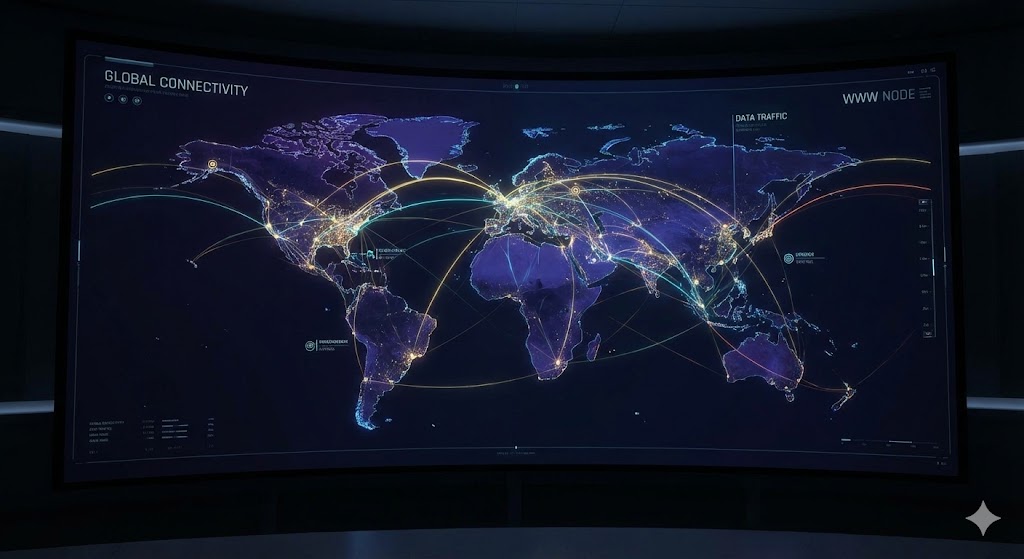
Geopolitics is a major driver of DDoS activity. The Israel-Iran conflict (Operation Epic Fury) and the NATO Summit in Ankara directly correlated with spikes in attacks on the government sector and Turkey as a target. The Media, Production & Publishing industry remained the most attacked, absorbing 14.2% of all mitigated HTTP DDoS requests.
Attack Characteristics: Small but Deadly
Despite the hyper-volumetric headlines, the median attack remains under 500 Mbps and lasts under 10 minutes. However, even a 100 Mbps attack can overwhelm an unprotected server. The short duration (some attacks last only 35 seconds) means manual mitigation is impossible—automated protection is no longer optional.
Practical Defense Strategies:
- Adopt Always-On Protection: Cloudflare's free, unmetered DDoS protection is a baseline, but ensure your provider offers automated mitigation without human intervention.
- Harden Your DNS Infrastructure: Use Anycast DNS and consider dedicated DDoS protection for authoritative DNS servers.
- Monitor CLDAP Exposure: Audit your network for exposed LDAP-over-UDP endpoints (port 389) to prevent being used as an amplifier.
- Leverage Threat Feeds: Cloudflare's free DDoS Botnet Threat Feed for Service Providers helps identify and take down abusive IPs.

Conclusion: Preparing for the Next Wave
DDoS attacks in 2026 are faster, bigger, and more intertwined with global events. The 519% surge in 1 Tbps attacks is a clear signal that attackers have access to massive botnet infrastructure. While the median attack remains small, the potential for cascading failures—routing instability, timeouts, and degradation—demands a proactive, automated defense strategy.
Next Steps for Your Team:
- Review your current DDoS mitigation posture and ensure it can handle both high-volume and short-duration attacks.
- Implement continuous monitoring for DNS and CLDAP abuse.
- Stay informed about geopolitical events that might trigger hacktivist campaigns.
For deeper insights into how emerging technologies are reshaping other industries, check out our analysis of blockchain-based agricultural traceability and the rise of autonomous coding agents.