Data Commons is a project that unifies a massive amount of public datasets. When combined with a Model Context Protocol (MCP) server, AI agents (like Gemini CLI) can directly access and analyze this data using natural language. Previously, you had to install and run this MCP server in your local Python environment—a significant barrier for high-security environments or developers thinking about scalability. That barrier is now gone.
The Core Benefit: Simplified Configuration
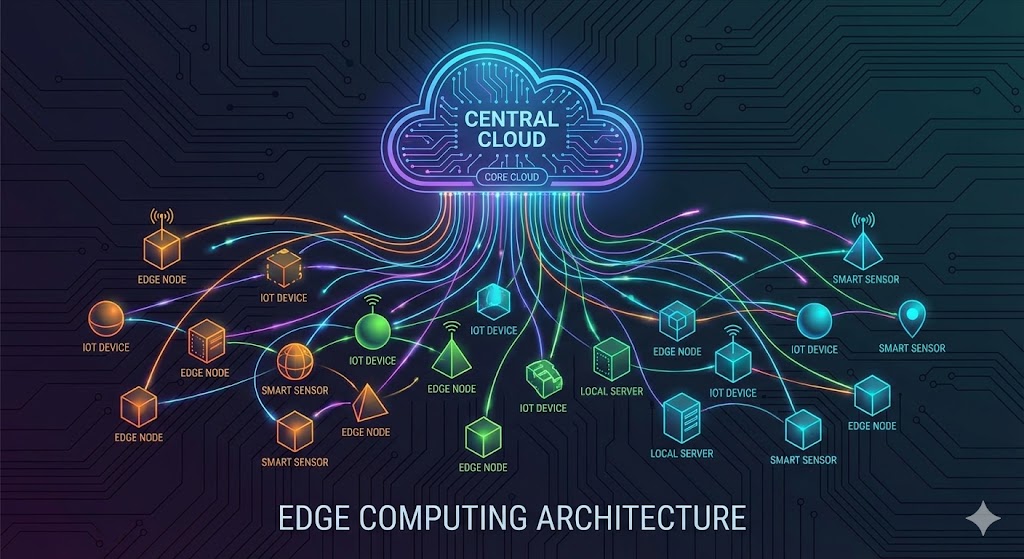
The biggest change is that no local installation is required. You simply connect to a free, Google Cloud-hosted service. Google manages Python environments, resource scaling, security compliance, and everything in between.
If you're already using the Gemini CLI extension, you don't need to do anything. It will automatically update to connect to the web-based hosted server on its next run. For other agents, you'll need to update your configuration file as shown below, after obtaining a free API key.
{
  "mcpServers": {
    "datacommons-mcp": {
      "httpUrl": "https://api.datacommons.org/mcp",
      "headers": {
        "X-API-Key": "YOUR_DC_API_KEY_HERE"
      }
    }
  }
}
Code explanation: Update your MCP client config with the hosted server URL and your issued API key.

| Advantage | Description |
|---|---|
| Zero Installation | No need to set up a local Python environment, dramatically improving accessibility. |
| Scalability & Manageability | No server ops overhead, leveraging Google Cloud's infrastructure. |
| Security-Friendly | Usable in high-security environments via external service connection. |
| Automatic Updates | Gemini CLI extension users automatically benefit from server improvements. |
Important Note: The current hosted service only queries the official datacommons.org data. If you run your own Custom Data Commons instance, you still need to run your own local MCP server. Check the official documentation for complete details.
 The launch of this hosted service significantly lowers the barrier between AI agents and public data. Analysts can gain insights by asking high-level questions like "What is the correlation between unemployment and obesity rates across U.S. states?", while developers can more easily build specialized agents on top of this infrastructure. If you're interested in building AI applications with public data, you can now focus on the core logic without the initial hurdle of local setup. For more detailed use cases, refer to the source material on the official blog post.