The Frontier of Enterprise AI
At SAP Sapphire 2026, Microsoft and SAP are doubling down on a shared vision: the autonomous enterprise. The core idea is that AI should not just sit on top of existing systems—it should be woven into the fabric of how work gets done. This means moving beyond isolated chatbot experiences to a world where AI agents talk to each other, understand business context, and take coordinated actions across platforms.
The announcements cover four major pillars:
- Agent-to-Agent (A2A) Integration between Microsoft 365 Copilot and SAP Joule.
- Unified Data Foundation via SAP Business Data Cloud Connect for Microsoft Fabric.
- Sovereign Cloud Expansion for regulated industries.
- Expanded RISE with SAP Acceleration Program on Azure.
Let's break down what each of these means for your stack.
Reference: The full announcement is available at Microsoft Azure Blog.

Agent-to-Agent Integration: The Real Game Changer
The most exciting piece is the new agent-to-agent (A2A) capability between Microsoft 365 Copilot and SAP Joule. Instead of a user toggling between two AI assistants, the agents themselves coordinate.
How it works:
- A supply chain manager in Teams asks about inventory levels.
- Copilot detects the intent and hands off to Joule, which queries SAP S/4HANA.
- Joule returns the data; Copilot formats the response and suggests actions (e.g., "Schedule a review with the procurement team").
# Simplified conceptual flow (pseudo-code)
from enterprise_ai import Copilot, Joule

copilot = Copilot(context="Teams chat about supply chain")
joule = Joule(system="SAP S/4HANA")

# User asks: "What's our current stock of raw material X?"
user_query = "Current stock of raw material X"

# Copilot routes to Joule
sap_response = joule.query(metric="inventory_level", material="X")

# Copilot enriches and presents
copilot.respond(
    content=f"Current stock: {sap_response['quantity']} units",
    suggested_actions=["Schedule review", "Order more"]
)
This is a huge step toward autonomous workflows—AI doesn't just answer; it executes.
What this means for developers
- You'll need to design agents that can discover each other's capabilities (think OpenAPI specs for agents).
- Security and governance become paramount—agents must operate within defined boundaries.
- Expect new SDKs and APIs from both Microsoft and SAP to facilitate A2A communication.
For a deeper look at how interactive demos can help you prototype such workflows, check out this guide on Building Interactive Demos with CodePen slideVars.
Unified Data Foundation: Delta Sharing Goes Live
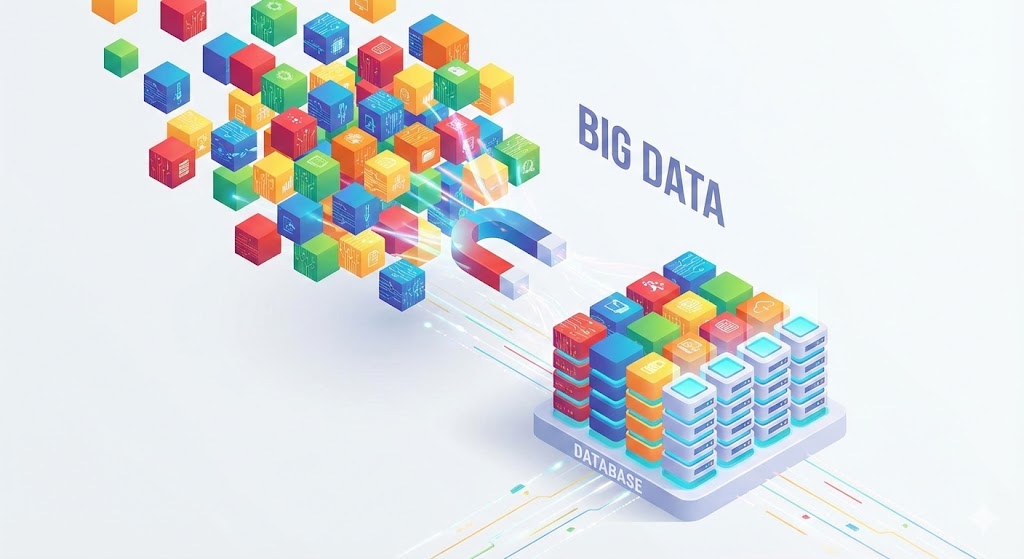
Data silos are the #1 enemy of enterprise AI. Microsoft and SAP are attacking this head-on with bi-directional, zero-copy delta sharing between SAP Business Data Cloud (BDC) and Microsoft Fabric, coming in H2 2026.
Key specs:
| Feature | Detail |
|---|---|
| Sharing method | Bi-directional, zero-copy delta sharing |
| Availability | H2 2026 |
| Initial Azure regions | 8 deployed, 13 planned by end of 2026 |
| Use case | Real-time analytics, AI training, cross-system reporting |
This means you can combine SAP transactional data (e.g., orders, inventory) with non-SAP data (e.g., IoT sensor streams, CRM logs) in a single Fabric lakehouse—without ETL duplication.
Caution: Not a silver bullet
- Latency: Delta sharing is near-real-time, not true real-time. For sub-second decisions, you'll still need event-driven architectures.
- Governance: Zero-copy doesn't mean zero risk. You still need to manage access policies and data lineage.
- Cost: Delta sharing reduces storage duplication but may increase compute costs for continuous sync.
Sovereign Cloud: Compliance Without Compromise
For regulated industries (finance, healthcare, government), data sovereignty is non-negotiable. Microsoft and SAP are expanding their sovereign cloud offerings to cover Australia, New Zealand, Canada, India, Europe, and the UK.
This is built on existing foundations like SAP NS2, Delos Cloud, and BLEU, now integrated with RISE with SAP on Azure.
Next steps for architects:
- Evaluate if your SAP workloads need sovereign deployment.
- Map your data residency requirements against the available Azure regions.
- Plan for hybrid scenarios—some workloads on sovereign cloud, others on global Azure.
Conclusion: From Transformation to Continuous Innovation
The message from Sapphire 2026 is clear: AI is no longer a project; it's the operating system of the enterprise.
Microsoft and SAP are providing the infrastructure—A2A agent integration, unified data, sovereign options—but the real work lies in how you design your workflows, train your models, and govern your agents.
Practical advice for your next sprint
- Start small: Pick one cross-system workflow (e.g., employee onboarding) and prototype it with Copilot + Joule.
- Invest in data hygiene: Your AI is only as good as your data. Use Fabric to clean and unify SAP and non-SAP data.
- Learn agent design: Read up on agent-to-agent protocols and security patterns. The era of autonomous AI is here.
Limitations & watchpoints
- Vendor lock-in: Deep integration with Microsoft and SAP ecosystems may reduce flexibility.
- Complexity: A2A workflows add a new layer of orchestration that can fail in unpredictable ways.
- Skills gap: Most teams lack experience in designing agentic systems—invest in training.
Further reading
- Styling CSS Highlight Pseudo-elements: A Deep Dive — for frontend devs building AI-infused UIs.
- Building Interactive Demos with CodePen slideVars — prototype your agent workflows visually.