Why April Fools’ Day Matters in Tech
Every year, April 1st becomes a stage where tech companies and developers blur the line between joke and innovation. But some pranks aren’t just funny—they reveal core truths about how we build, trust, and break the web. This list covers the top 10 most noteworthy examples, from harmless fun to catastrophic failures. Let’s explore the real lessons behind the laughs.
1. Google’s April Fools’ Games (2019)
Google turned Google Calendar into a Space Invaders game and Google Maps into a Snake game. These were harmless, fun, and later inspired real Chrome extensions. The takeaway? Sometimes a joke becomes a feature.
2. The npm left-pad Debacle (2016)
A trivial 11-line package was deleted, breaking thousands of projects. The joke? Over-reliance on tiny dependencies. The result? npm changed its deletion policies. It’s a cautionary tale about dependency management.
3. aprilFools.css by Wes Bos
A CSS file that turns any website upside down. While funny, it’s a reminder that pranks in the workplace can cross into bullying. As Chris Coyier said, "You gotta be tasteful."
4. VS Code Extension Pranks
Extensions that cause random dad jokes, funny sounds, or even delete code on save. The latter is a hard no—workplace trust is fragile.
5. W3C’s GeoCities Restyle (2012)
The W3C turned their site into a 90s GeoCities page. A nostalgic throwback that also highlighted how far web standards have come.
6. StackOverflow GeoCities Restyle (2019)
StackOverflow went full GeoCities for a day. Now, with AI chatbots replacing Q&A, it feels like a premonition.
7. Stack Egg (2015)
A Tamagotchi-like game that accidentally DDoS-ed the entire Stack Exchange network. The over-engineered solution included a custom Turing-complete language for animations. The lesson: don’t let fun compromise reliability.
8. Google Mic Drop (2016)
A Gmail button that sent a minion GIF and blocked all future emails. It caused real harm—funeral homes, job losses. Google disabled it within hours. This prank crossed the line from joke to sabotage.
9. Prank UX Research Articles
Serious UX consultancies published hoax articles (e.g., "Users Love Change"). While educational, they risk misleading readers. One radiology hoax even caused retractions in medical journals.
10. DigitalOcean Buys CodePen (2022)
A fake announcement that felt all too real, given DigitalOcean had just bought CSS-Tricks. The detail—free custom domains for DO users—made it plausible. A masterclass in verisimilitude.
The Dark Side: When Pranks Go Wrong
Not all pranks are harmless. Google Mic Drop and Stack Egg show how even well-intentioned jokes can cause real damage. The key is to consider impact before execution.
Lessons for Developers
- Test your prank’s blast radius. Will it affect real users? If yes, don’t do it.
- Respect workplace boundaries. Code that deletes work is never funny.
- Learn from failures. Stack Egg’s DDoS became a case study in operational excellence (ironically).
This Tech’s Limitations & Caveats
April Fools’ pranks can erode trust. Google’s "don’t be evil" motto clashed with Mic Drop. Always ask: does this joke align with our values?
Next Steps for Learning
- Read about Stack Egg’s postmortem for a deep dive into operational resilience.
- Explore CSS-Tricks’ coverage of practical jokes in the browser for more context.
- Check out the original article on CSS-Tricks for the full list.
This article is based on the original post at CSS-Tricks.
Code Example: The aprilFools.css Prank
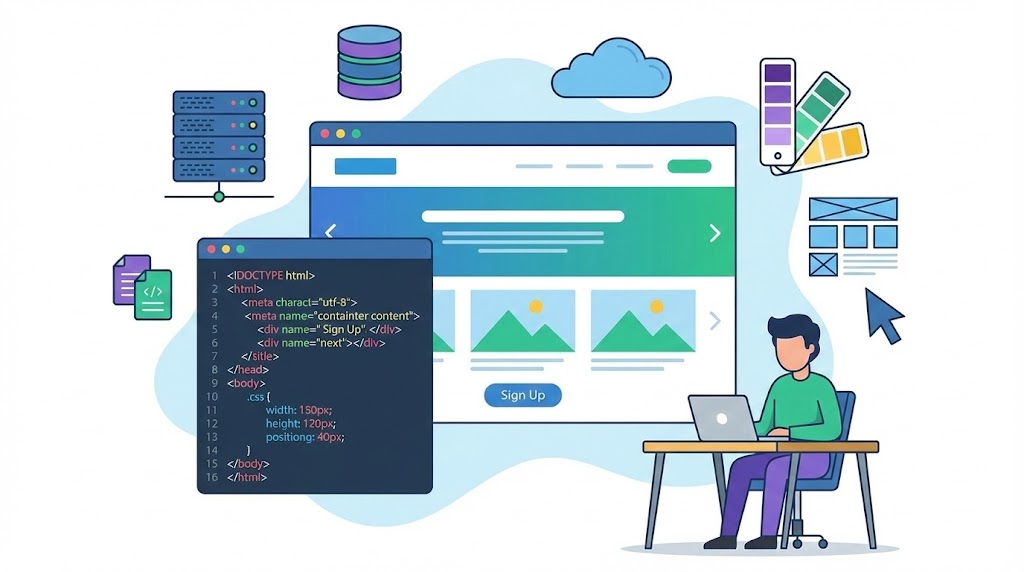
Here’s a snippet from Wes Bos’s aprilFools.css that turns the page upside down:
/* aprilFools.css - Use at your own risk */
/* I assume no responsibility for angry co-workers or lost productivity */
html {
  transform: rotate(180deg);
  transform-origin: center center;
}
And here’s a harmless VS Code extension prank (just for fun):
// vscode-prank.js - Shows a dad joke every 10 minutes
const vscode = require('vscode');
const jokes = [
  "Why do programmers prefer dark mode? Because light attracts bugs.",
  "How many programmers does it take to change a light bulb? None, that's a hardware problem."
];

setInterval(() => {
  const joke = jokes[Math.floor(Math.random() * jokes.length)];
  vscode.window.showInformationMessage(joke);
}, 600000); // 10 minutes
Comparison Table: Best vs. Worst Pranks
| Prank | Harm Level | Fun Level | Lesson |
|---|---|---|---|
| Google Maps Snake | Low | High | Gamification works |
| Stack Egg (DDoS) | High | Medium | Test blast radius |
| Google Mic Drop | Very High | Low | Don’t sabotage users |
| W3C GeoCities | Low | High | Nostalgia sells |
npm left-pad | Medium | Low | Dependency hygiene |
Final Thoughts
April Fools’ in tech is a mirror: it shows us our vulnerabilities, our over-engineering, and our capacity for both creativity and cruelty. The best pranks make us think. The worst make us regret. Choose wisely.
Related Articles
- Behind the Scenes: The Engineering Challenges of Building Meta Ray-Ban Display
- Building Fine-Grained API Authorization: A Deep Dive with Amazon Verified Permissions

Conclusion
April Fools’ Day on the web is a deterrence machine—a single day to celebrate the fakes that make the rest of the year feel real. But as these examples show, the line between joke and reality is thinner than we think. Whether it’s a harmless CSS flip or a career-destroying Gmail button, the best approach is to prank with empathy. After all, the web is built by people, for people.
Next Steps
- Review your own project’s dependency tree to avoid
left-padscenarios. - Set clear boundaries for workplace pranks in your team.
- Explore the original CSS-Tricks article for more stories.